
Last updated November 18, 2026
Attic Insulation Maintenance Schedule: What to Do and When
Insulation manufacturers publish R-value ratings based on lab conditions around 75°F. Your Paradise attic does not run at 75°F. On a July afternoon it can climb past 150°F, and that heat load changes the math on how fast insulation degrades. Fiberglass batts compress, blown-in fiber settles, and radiant barriers lose reflectivity years sooner than a spec sheet implies. None of it comes with a “replace by” date. That’s why we wrote this guide: a real calendar for checking attic insulation through the year, the signs that matter, and the 20% of cases where insulation fails early and costs real money if nobody looks.
Quick Answer
Attic insulation should be inspected once a year, ideally in late fall before winter, and again after any major wind or storm event. Plan on a full top-off or replacement every 15 to 20 years in Paradise, sooner if your attic runs hot, your blown-in fiber has settled below your target R-value, or you spot moisture, pest damage, or displaced batts at the perimeter. A five-minute check from the attic hatch catches most problems.
Key Takeaways
- Paradise attic heat shortens insulation life compared to manufacturer lab assumptions.
- Inspect annually plus after every wind event, even when you see no roof damage.
- Five minutes at the attic hatch tells you most of what you need to know.
- Record depth and condition yearly so you’re never guessing age or R-value.
- Replacement is usually not the first move: topping off and air sealing solve most failures.
Table of Contents
- The Month-by-Month Insulation Calendar for Paradise
- The 5-Minute Visual Inspection From the Attic Hatch
- Signs Blown-In Insulation Has Settled Below Minimum R-Value
- Why Post-Storm Inspections Matter in Paradise
- How to Document Your Insulation Condition Over Time
- Common Mistakes to Avoid
- When to Call a Professional
- Frequently Asked Questions
The Month-by-Month Insulation Calendar for Paradise
Generic advice says “check in spring and fall.” That misses how Paradise actually seasons. Our attic heat peaks from June through September, and our wind and dust events cluster in late winter and early spring. The schedule below is timed to those transitions, not to a New England calendar.
- January to February: Look for condensation, frost, or dampness on the attic side of the roof deck. This is our coolest stretch and the best window for spotting moisture problems before warm weather hides them.
- March to April: Post-wind-season inspection. Check the perimeter, the north-facing slope, and any area near the hatch for displaced or blown insulation. This is also the best time to check for rodent tunnels before the season warms up.
- May: Pre-summer check. Confirm depth, note any compressed areas, and verify that air sealing around recessed lights, top plates, and plumbing chases is still intact.
- June through August: Minimal work in the attic itself. Heat is a safety concern, not a productivity window. Rely on your photos and records from spring.
- September: Second visual pass as the attic begins cooling. Look for cracked or brittle vapor barriers and radiant barrier foil that has lost its shine.
- October to November: The annual full inspection. Measure depth, take photos, log the results.
- December: Schedule any top-off or repair you identified in fall so it’s done before the winter heating season, which is when attic performance matters most.
Homeowners in Paradise don’t have a true deep-freeze season, so fall is the best anchor point for annual work. If your home has significant crawl space exposure, cross-check the crawl space while you’re inspecting. Our crawl space encapsulation and vapor barrier work in Paradise pairs naturally with attic maintenance.
The 5-Minute Visual Inspection From the Attic Hatch
You don’t need to crawl through the entire attic to know whether your insulation is healthy. The hatch opening tells most of the story, and it’s the safest way to look. Open the hatch, use a strong flashlight, and run through this list from the opening.
- Depth: Hold a ruler or a marked stick straight down into the insulation at three points you can reach from the hatch. Note the inches. Blown-in fiberglass should match your target R-value; a settled reading is the first sign of a problem.
- Color and texture: Fresh blown-in fiberglass is light and fluffy. Gray, clumpy, or swept-looking insulation suggests settling or air movement.
- Compression: Any area where the insulation is visibly flattened (often under stored items or where someone walked) is losing R-value fast.
- Moisture: Look for dark patches on the roof deck, staining on the joists, or rusted nails poking through the sheathing.
- Pest evidence: Rodent droppings, tunnels, or torn vapor barriers are common in Paradise attics and always mean extra work.
- Air leaks: If daylight shows through around light fixtures or top plates, air sealing is likely needed.
Take photos from the hatch each time you look. Even three photos a year make the trend obvious after a couple of seasons. If you want a proper baseline, our attic insulation service in Paradise includes a full inspection and depth measurement.
Signs Blown-In Insulation Has Settled Below Minimum R-Value
Blown-in insulation, whether fiberglass or cellulose, settles over time. In a mild climate the settling rate is slow. In a Paradise attic that cycles between cool nights and 150°F afternoons, settling happens faster than the manufacturer’s table suggests, especially if air sealing was never done. The threshold matters because the difference between R-30 and R-38 in a hot attic is real energy loss, not just a small number on a form.
Signs your insulation is below the minimum threshold:
- Measured depth has dropped more than an inch from the install label. A blown-in attic at 12 inches that now reads 10 has lost meaningful R-value.
- The visible surface looks deflated. Fresh fiber has a fluffy, even texture; settled fiber looks like packed snow.
- Fast temperature swings in the house during summer afternoons. If rooms heat up fast and cool down slowly, the attic is letting heat through.
- Higher summer utility bills without a rate change. A slow climb over two or three seasons is often insulation-related.
- Visible air paths. If you can see gaps around recessed lights or wiring, settled fiber is not the whole problem.
- Dust or dirt streaks on the blown-in surface. This is a classic sign that air is moving up through the material instead of being blocked.
When those signs show up, topping off is almost always the right move. Full removal and replacement is only needed when the insulation has moisture damage, pest contamination, or you’re switching insulation types. We install Knauf and CertainTeed products for this reason: consistent density and known performance, which makes future checks meaningful. If your attic has evidence of pest activity, our rodent-proofing service is part of Walt’s Insulation Paradise home and should happen before any top-off.
Why Post-Storm Inspections Matter in Paradise
Paradise sits in a wind corridor, and we get dust-driven wind events that rarely tear shingles but do move roofs just enough to clip insulation at the perimeter. A roof can flex a quarter inch and return to normal within a week, and the insulation that was tight to the perimeter joists is now pushed back and thinned. You’ll never see the damage from the ground.
The pattern we’ve seen across Paradise homes is consistent: after a strong wind event, the insulation near the rake and eave edges gets displaced first. It happens because the attic pressure fluctuates as wind moves over the roof, and the loose-blown fiber at the edges gets pushed into a pile near the center. The perimeter then has a low spot. Over time, that low spot becomes a cold spot in winter and a heat entry point in summer.
Add a storm inspection after any of these:
- Sustained wind above about 35 mph, even with no visible damage
- Any nearby roof damage (yours might be intact but not unaffected)
- Heavy dust storms, which can push fine particles into the fiber
- Post-fire season inspections if your property is near a burn zone
Storm inspections are cheap. In fact, if you’re inside our service county, there’s no trip charge for an assessment, which makes an annual check worth scheduling. We also offer a free second opinion on any written estimate, so if a roofer or insurer tells you something needs to change, get a second set of eyes.
How to Document Your Insulation Condition Over Time
Most homeowners can’t tell you how old their insulation is, what R-value it started with, or whether it’s been disturbed. That’s fine until you need to file an insurance claim or list the house. When we install insulation in Paradise, we always recommend the homeowner keep a simple record. Here’s the system that works.
- Create a single folder (digital or paper) with any install paperwork, the product brand, and the target R-value at the time of install.
- Add three photos per year taken from the attic hatch, each with a note on the date and the measured depth at three points.
- Log any events – storm damage, roof repair, pest treatment, or HVAC work in the attic – because any of these can disturb insulation.
- Note the inspector’s name and company on any professional check.
- Keep the file with your home maintenance records, not in the attic itself, because you may need it when you’re not at home.
This documentation habit saves real money at claim time. Insurers want to see a clear history. Buyers want to see the R-value and the age. And when you call us, a clear record tells us whether top-off, air sealing, or full replacement is the right answer. For anyone adding a radiant barrier or spray foam, our spray foam insulation in Paradise service pairs with this documentation habit because closed-cell foam is a permanent change to the attic profile.
Common Mistakes to Avoid
- Waiting until summer to inspect. A Paradise attic above 140°F is a safety hazard. Do the work in the cooler months and use photos for the rest, not a ladder and a flashlight in July.
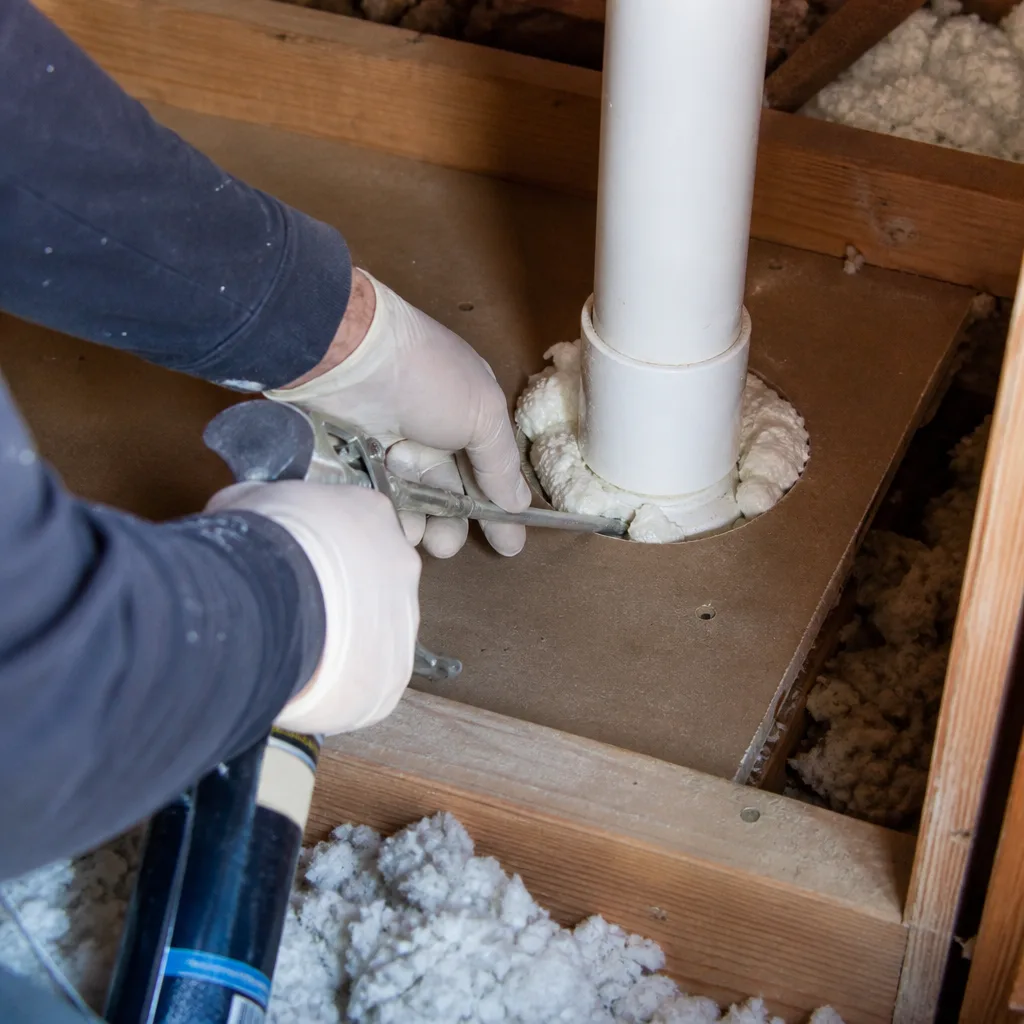
- Topping off without air sealing. If you blow in more fiber over leaky top plates and recessed lights, the air still moves and the new insulation doesn’t perform. Air seal first, then install. This is standard in our Paradise jobs and the reason we start every install with a home energy audit.
- Adding insulation without measuring current depth first. Stacking insulation on top of settled material without knowing where you started wastes money and often leaves the same hot spots.
- Ignoring a rodent issue before insulation work. Insulation installed over an active rat or mouse problem will be contaminated and need to come out. Rodent proofing comes first. Our attic insulation work in Paradise always includes a pest check.
- Assuming a new roof means new insulation. Roofers rarely re-install insulation correctly, and disturbed insulation at the perimeter is one of the most common problems we find in Paradise after a roof replacement.
- Choosing whatever insulation is cheapest per bag. Cheap fiberglass can settle faster, and inconsistent density means unpredictable performance. We use Knauf and CertainTeed because their density and performance are predictable, not because they’re the cheapest option on the shelf.
- Skipping the post-storm check. Wind events in Paradise that cause no visible roof damage still shift insulation at the edges. A quick visual check costs five minutes.
When to Call a Professional
Most attic checks are DIY. Call a professional when you see any of the following: measured depth is well below your target R-value; there’s evidence of moisture or pest contamination; the insulation was disturbed by roof work or storm damage; you’re unsure about air sealing around recessed lights and top plates; or you’re getting ready to sell and need documented condition. If your home has had repeated rodent issues, we strongly recommend professional rodent proofing first, then insulation. High summer attic temperatures make some of these checks dangerous, so don’t wait until the season peaks. At Walt’s Insulation Paradise, we offer free estimates across Paradise, and the local pro’s license and insurance are current as required. Walt’s Insulation Paradise offers free estimates in Paradise. Call (844) 978-0556 and we’ll get you on the schedule.
Frequently Asked Questions
Once a year, ideally in late fall, plus after any wind event above roughly 35 mph. Paradise’s summer attic temperatures accelerate wear faster than manufacturer tables assume, so annual checks catch early failures that would otherwise go unnoticed for years. Call (844) 978-0556 for a free estimate if your last check is more than a year old.
Topping off is right when the insulation is dry and clean but the measured depth has dropped below your target R-value; replacement is right when there’s moisture damage, pest contamination, or a planned switch to a different material. Measure current depth first, then match your choice to what the attic actually needs. If you’re not sure, the free second opinion on a written estimate makes the decision easier.
Yes, the 5-minute visual check from the attic hatch is safe for most homeowners, and it catches the majority of problems. Anything that requires crawling through the space or touching electrical components should go to a professional. In Paradise, the attic itself is the main hazard during summer, so plan the check for a cool morning.
Yes. Manufacturers test R-value near 75°F, and Paradise attics exceed 150°F in summer. That heat load accelerates settling and compression, and the gap between tested performance and real performance is why the annual check matters more in Paradise than in cooler markets. Our technicians have up to 26 years of experience working in this climate.
Often yes, when the wind event is documented and roof damage is confirmed. Insurers want to see photos and a dated record of the insulation condition before the event, which is why the documentation habit matters. Call (844) 978-0556 if you’re filing a claim and want a second opinion on the estimate.
Annual inspections are typically low-cost or part of a broader service, and there’s no trip charge inside our service county. Top-offs run less than full replacement and are the right call most of the time. Since prices depend on your attic’s size, current R-value, and accessibility, call (844) 978-0556 for an exact quote. Estimates are free, and there’s a standing $40 off any repair over $200.
The Bottom Line
Attic insulation in Paradise doesn’t fail on a neat schedule, but it does degrade on a predictable one. Check depth and condition each fall, do a quick five-minute visual pass from the hatch a couple of times a year, and inspect after any wind event. Document what you find. That simple rhythm catches early failures before they turn into full replacements, and it gives you records when a claim or a sale comes up. The 20% of Paradise homes where insulation fails early almost always fail where nobody was looking. If you’d rather have a trained set of eyes do the check, that’s what we’re here for. Get in touch when you’re ready, and we’ll help you plan the next step. Written by the team at Walt’s Insulation Paradise.